
Addressing Missed Vaccination Opportunities in Conakry, Guinea
Case Study from Guinea
Télécharger l’histoire PDF (FRANCAIS)
Quick Links:
Background | Objectives | Implementation Strategy | Challenges and Adaptations | Outcomes and Impact | Lessons Learned | Recommendations | Conclusion and Future Directions | Video | Bio

Background
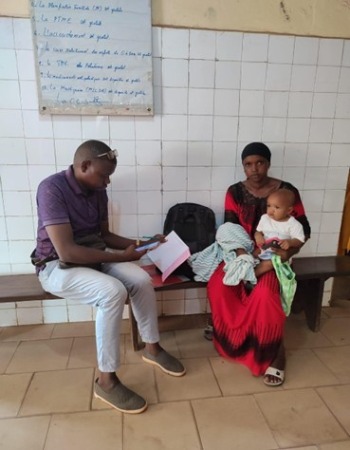 Guinea has faced persistent challenges in achieving high routine immunization coverage, a situation worsened by the COVID-19 pandemic. In 2023, the country recorded 33 cases of diphtheria, with two child deaths reported in the capital region of Conakry. One major barrier to improved immunization rates is the prevalence of missed vaccination opportunities (MVOs) — instances where children eligible for vaccination visit health facilities but do not receive required doses. Despite efforts by the Guinean government and partners, the root causes of MVOs remained largely unexplored.
In response, a research project was undertaken from January 1 to April 30, 2024 across 30 public and private health facilities in the five health districts of Conakry. Led by Dr. Mamadou Saliou Baldé, Focal Point for Epidemiological Surveillance and MEV at CMC de Ratoma, the study, through the second cohort of Sabin and the World Health Organization’s COVID-19 Recovery for Routine Immunization Programs Fellowship, aimed to investigate the scope and drivers of MVOs and identify solutions for improving immunization services, particularly among children aged 0 to 23 months.
Objectives
- Determine the prevalence of missed vaccination opportunities among children aged 0–23 months
- Analyze contributing factors across 30 public and private health facilities
- Develop actionable insights and recommendations to improve vaccination practices
Implementation Strategy
 The project employed a mixed-methods research approach over four months. A total of 605 exit interviews were conducted with mothers or guardians of children, along with 300 knowledge, attitude, and practice (KAP) surveys of health workers. The study also included 10 focus group discussions each with caregivers and health workers, and 10 in-depth interviews with facility or Expanded Program on Immunization (EPI) managers.
Health facilities were selected using WHO’s stratified sampling methodology, ensuring representation from large, medium, and small facilities across public and private sectors. Data collection teams were trained and deployed to conduct interviews using digital tools (KoBoCollect), capturing vaccination history, service quality, and caregiver perceptions in real time. Quantitative data were analyzed using SPSS, while qualitative data were processed using content analysis techniques.
Challenges and Adaptations
Shortened Project Timeline: Research activities typically require a minimum of six months, only four months were allocated for this project. Additionally, a 1.5-month delay in fund receipt further compressed the timeline. An extension was requested to complete qualitative data analysis and article drafting on Missed Opportunities for Vaccination (MVOs) in Conakry.
Outcome and Impact
Preliminary findings showed a high MVO rate of 69.26%. BCG vaccine had the lowest MVO rate (19.6%), while the first dose of oral polio vaccine (VPO1) had the highest, reflecting caregiver hesitancy around polio vaccination. More than 96% of respondents had a vaccination card, but only 57% reported their child was vaccinated during the health visit.
Key insights included:
- The primary reason for children being unvaccinated was parental distrust (81%), followed by incompatible clinic hours and distance to health facilities
- Health worker knowledge was generally strong, but gaps remained in identifying contraindications and appropriate follow-up for delayed vaccinations
- The majority of caregivers said they were not informed about what to expect after vaccination or what to do in case of adverse effects
- A caregiver noted: “I brought my child for a fever, but they didn’t check her vaccination card or tell me about any vaccines.”
- A nurse explained: “Sometimes we’re so overwhelmed that vaccination isn’t prioritized if it’s not the designated day.”
These results highlighted both structural and behavioral barriers to vaccination in Guinea and underscored the need for integrated strategies targeting health worker training, caregiver engagement, and health system efficiency.
Figure 1: The overall proportion of missed vaccination opportunities was 69.26%
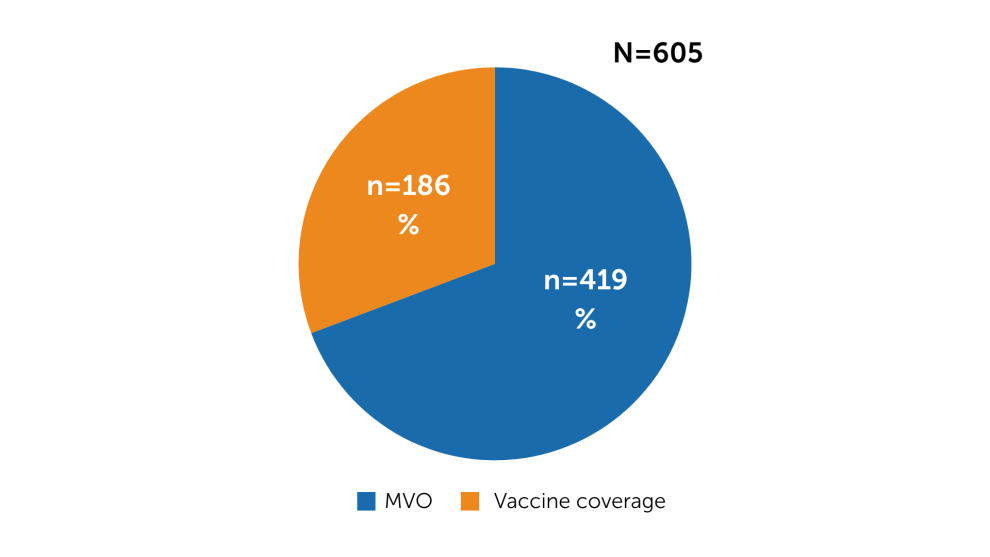
Figure 2: Distribution of respondents by age group
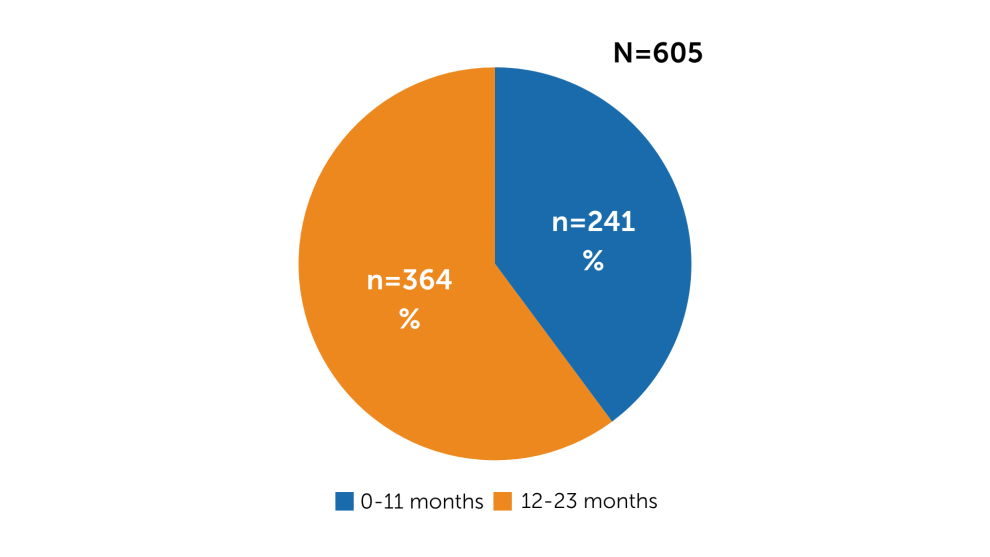
Figure 3: Distribution of respondents by gender
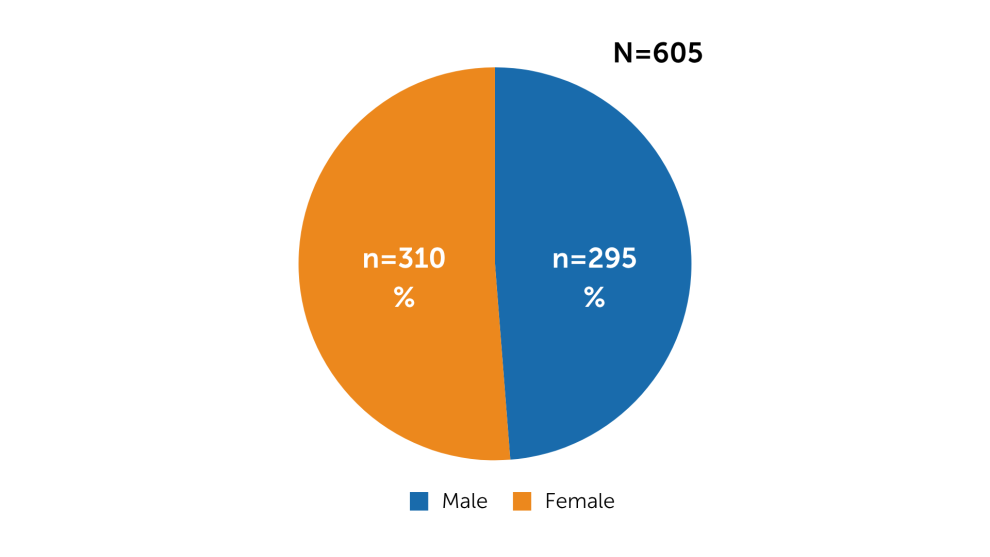
Figure 4: Frequency of missed vaccination opportunities by antigens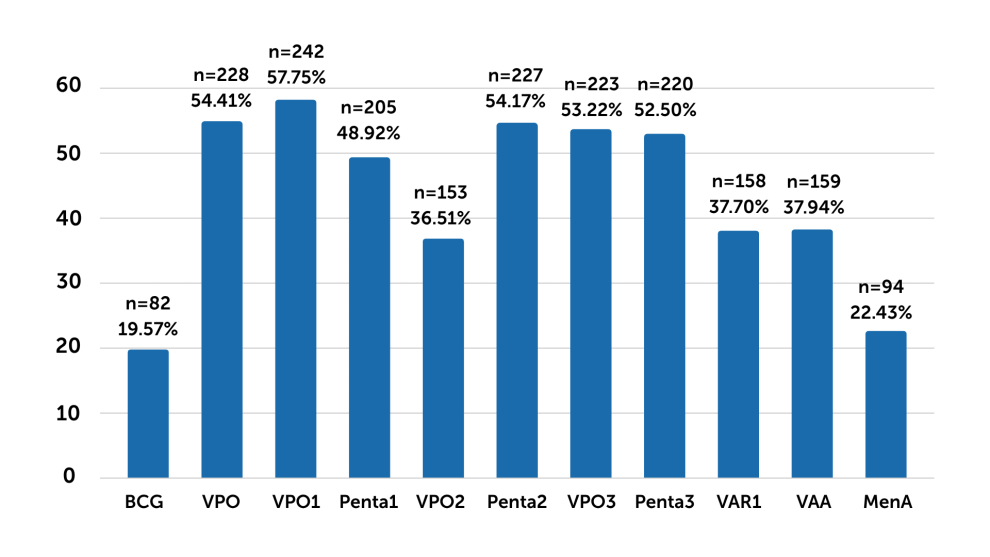
BCG had the lowest MVO frequency at 19.57%, while VPO1 had the highest frequency. This low MVO frequency for BCG could be explained by the particular attention parents give to newborns at birth. The high proportion of VPO could be due to parents’ mistrust of polio vaccination.
Table I: Distribution of respondents by mothers’ education level
| Education Level | Count | Proportion (%) |
| No formal education | 241 | 39.83 |
| Beyond secondary | 150 | 24.79 |
| Completed primary | 92 | 15.21 |
| Completed secondary | 68 | 11.24 |
| Did not complete primary | 51 | 8.43 |
Table II: Distribution of respondents by child’s vaccination status
| Variables | Count | Proportion (%) |
| Vaccination Status | ||
| Yes | 539 | 89.09 |
| No | 64 | 10.58 |
| Reasons for non-vaccination | ||
| Vaccines/materials not available | 16 | 2.64 |
| Did not visit health facility on vaccination day | 4 | 0.66 |
| Husband/decision-maker does not believe in vaccination | 4 | 0.66 |
| Did not know the child was eligible for vaccination | 4 | 0.66 |
| Do not believe in vaccination | 4 | 0.66 |
| Other reasons | 27 | 4.46 |
| Other reasons: vaccine shortage = 7, sick child = 7, not vaccination day = 9, came for vaccination = 4 |
Table III: Distribution of respondents by profession
| Profession | Count | Proportion (%) |
| Nurse | 162 | 54 |
| Doctor | 59 | 19.67 |
| ATS | 30 | 10 |
| Public health worker | 12 | 4 |
| Midwife | 26 | 8.66 |
| Biologist | 9 | 3 |
| Others | 2 | 0.6 |
| Total: 300 | 100 | |
| Others: biochemist = 1, health assistant = 1. Nurses were the most represented socio-professional category (54%), possibly due to the activity being conducted in basic health structures (health centers). |
Table IV: Distribution of respondents by knowledge of antigens an infant should take to stay healthy
| Antigens | Count | Proportion (%) |
| BCG | 287 | 95.67 |
| Penta | 280 | 93.33 |
| VPO | 267 | 89 |
| VAR | 258 | 86 |
| MenA | 231 | 77 |
| VAR | 224 | 74.67 |
| VAA | 221 | 73.67 |
| VPI | 214 | 71.33 |
| Do not know | 11 | 3.67 |
BCG and Penta were the most cited vaccines by respondents, with proportions of 95.67% and 93.33%, respectively.
Table V: Distribution of respondents by knowledge of diseases to be eradicated
| Diseases to be eradicated | Count | Proportion (%) |
| Polio and measles | 138 | 46 |
| Pertussis | 54 | 18 |
| TB | 42 | 14 |
| Do not know | 30 | 10 |
| None of the above | 23 | 7.67 |
| Diarrhea | 13 | 4.33 |
| Total: 300 | 100 |
Nearly half of the respondents (46%) stated that polio and measles were diseases that should be eradicated.
Table VI: Distribution of respondents by knowledge of contraindications for any vaccine
| Contraindications | Count | Proportion (%) |
| Mild fever | 195 | 65 |
| Local reaction to a previous dose | 43 | 14.33 |
| Epileptic seizures under medication | 41 | 13.67 |
| Pneumonia or other serious illnesses | 32 | 10.67 |
| None of the above | 75 | 25 |
Table VII: Distribution of respondents by up-to-date evaluation of child’s vaccination status to ensure the vaccination card is up-to-date according to the national vaccination program
| Evaluation up-to-date | Count | Proportion (%) |
| Health worker responsible for vaccination | 199 | 66.33 |
| Child’s parents | 40 | 13.33 |
| Doctors in outpatient consultations, hospitalization services, and emergency rooms | 11 | 3.67 |
| All of the above | 50 | 16.67 |
The health worker responsible for vaccination is more qualified to assess the child’s vaccination status to ensure the vaccination card is up-to-date, according to most respondents (66.33%).
Table VIII: Distribution of respondents by reasons why children are not up-to-date with their vaccination
| Reasons for non-updated vaccination | Count | Proportion (%) |
| Parents’ negative beliefs about vaccination | 243 | 81 |
| Vaccination hours incompatible with parents’ schedule | 117 | 39 |
| Distance from vaccination site | 103 | 34.33 |
| Doctors, nurses, and health workers do not ask for children’s vaccination schedules | 47 | 15.67 |
| Doctors, nurses, and health workers do not examine children’s vaccination cards | 27 | 9 |
| False vaccination contraindications by health workers | 19 | 6.33 |
| All of the above | 10 | 3.33 |
Parents’ negative beliefs about vaccination are the main reason why children are not up-to-date with their vaccination, cited by the majority of respondents (81%).
Table IX: Distribution of respondents by vaccines to be administered to a three-month-old female infant with documented history of one dose of BCG and one dose of VPO0, both administered at birth
| Vaccines to be administered | Count | Proportion (%) |
| Only pentavalent | 129 | 43 |
| Only oral polio vaccine (VPO) | 79 | 26.33 |
| Oral polio, pentavalent, rotavirus, and IPV | 66 | 22 |
| Do not know | 65 | 21.67 |
| Measles | 33 | 11 |
| None | 22 | 7.33 |
The pentavalent vaccine should be administered to a three-month-old infant who has already received doses at birth, with a proportion of 43%.
Table X: Distribution of respondents by circumstances under which parents are informed about vaccines to be administered and given advice on what to do if the child has an adverse reaction to a vaccination
| Circumstances | Count | Proportion (%) |
| Only if the administered vaccine could cause a severe reaction | 70 | 23.33 |
| Always, regardless of the vaccine used and the type of reaction that may occur | 47 | 15.67 |
| Only when the parent or guardian requests this information | 26 | 8.67 |
| Never, since this information may be counterproductive and discourage participation in the vaccination program | 7 | 2.33 |
| The likelihood of an adverse event related to vaccination is so low that I rarely provide this information | 5 | 1.67 |
The fact that the administration of the vaccine could cause a severe reaction was the most cited circumstance by respondents.
Table XI: Distribution of respondents by actions to be taken when children have missed some vaccines or are delayed in the vaccine register
| Actions to be taken | Count | Proportion (%) |
| Contact parents or guardians by phone, email, or any other means of communication to remind them to vaccinate their children | 106 | 35.33 |
| Make a weekly list of children with incomplete schedules | 20 | 6.67 |
| Conduct home visits to encourage the family to follow the vaccination schedule and administer missed doses | 9 | 3 |
| All of the above | 13 | 4.33 |
| None of the above | 5 | 1.67 |
Contacting parents or guardians by phone (35%) was the most cited action by respondents when it is noted that some vaccines are missed or delayed in the vaccine register.
Table XII: Distribution of respondents by instructions usually given to caregivers the first time they are issued a new vaccination card
| Instructions | Count | Proportion (%) |
| Keep the card safe | 140 | 46.67 |
| Bring this card to all visits to the health facility | 105 | 35 |
| Bring this card only when you come for vaccinations | 37 | 12.33 |
| No instructions given | 3 | 1 |
Keeping the card safe (46.67%) was the main instruction given to parents of children when they receive a new card for the first time.
Table XIII: Distribution of respondents by possession of the vaccination card
| Vaccination card | Count | Proportion (%) |
| Yes, and I have it with me | 583 | 96.36 |
| Yes, but I do not have it with me | 19 | 3.14 |
| No | 3 | 0.5 |
The vast majority of mothers of children possessed their vaccination card.
Table XIV: Distribution of respondents by whether the child was vaccinated today
| Variables | Count | Proportion (%) |
| Child vaccinated today | ||
| Yes | 346 | 57.19 |
| No | 252 | 41.65 |
| Reasons for non-vaccination today | ||
| The doctor/nurse said the child could not receive the vaccine today | 90 | 14.88 |
| The health worker we saw did not tell me to vaccinate the child today | 74 | 12.23 |
| The doctor/nurse said the child could not be vaccinated today because he was sick | 22 | 3.64 |
More than half of the children (57.19%) were vaccinated during the surveys.
Lessons Learned
- MVOs are influenced by political, administrative, social, and cultural factors
- Digital data collection (e.g., KoBoCollect) streamlined research processes and improved data quality
- Stronger community outreach is needed to address parental misconceptions and logistical barriers
- Capacity building for health workers can improve evaluation and follow-up of vaccination status
- High patient volumes and limited staffing can compromise service delivery, especially during non-EPI days
Recommendations
- Systematically check vaccination cards during every health visit, regardless of reason for attendance
- Improve coordination between clinical and vaccination units to reduce missed referrals
- Launch targeted communication campaigns using trusted community figures to dispel vaccine myths
- Extend health facility hours or offer flexible service days to accommodate more caregivers
- Integrate MVO monitoring into routine supervision and the national immunization information system
- Update national policies to mandate routine screening for MVOs at all service delivery points
- Provide refresher training for health workers on identifying contraindications and managing delays
Conclusion and Future Directions
 The study represents one of the first comprehensive efforts to quantify and understand MVOs in Guinea. Based on these findings, the team will debrief the Ministry of Health, EPI program, and vaccination partners. A strategic action plan will be developed to reduce MVOs, with recommendations for cooperative supervision and real-time monitoring. Articles are being prepared for publication and presentation in international scientific forums. With adequate investment and partner engagement, this research can catalyze systemic improvements in Guinea’s immunization program.
Dr. Mamadou Saliou Balde
Dr. Mamadou Saliou Balde serves as the focal point for vaccination and epidemiological surveillance of vaccine-preventable diseases (VPDs) at DCS Ratoma under the Ministry of Health in Guinea. With his experience in immunization, he contributes to strengthening disease surveillance systems, ensuring timely investigation and response, and promoting vaccine safety. His work focuses on data-driven monitoring and evaluation to improve immunization program performance and public health outcomes at the regional level.
Recommended for you


Bundibugyo Virus Disease Factsheet


Why Do Vaccines Take So Long to Develop?

Tuberculosis Factsheet


We make vaccines more accessible, enable innovation and expand immunization across the globe.