
Empowering Futures – Advancing NCD and HPV Awareness in Nepal
Case Study from Nepal
Télécharger l’histoire PDF (FRANCAIS)
Quick Links:
Background | Objectives | Implementation Strategy | Challenges and Adaptations | Outcomes and Impact | Lessons Learned | Recommendations | Conclusion and Future Directions | Video

Background
In Nepal, the growing burden of non-communicable diseases (NCDs) and cervical cancer presents a pressing public health challenge. Yet, awareness about prevention and early action remains limited, especially among young people. Recognizing the urgent need to address this gap, Dr. Alisha Manandhar, currently based at the World Health Organization Regional Office for South-East Asia in the RMNCAH unit, along with Dr. Lagan Kumar Manandhar and Aarya Dhoj Katwal, spearheaded Empowering Futures, a school-based initiative designed to strengthen knowledge of NCDs and promote the importance of HPV vaccination.
The program was implemented under the second cohort of Sabin and the World Health Organization’s COVID-19 Recovery for Routine Immunization Programs Fellowship, running from December 15, 2023, to April 25, 2024. By focusing on students and teachers, the initiative leveraged the influence of schools as trusted spaces for health education, creating ripple effects that extended from classrooms into families and communities.
This work could not have been timelier. Cervical cancer remains the most common cancer among women in Nepal, despite the inclusion of the HPV vaccine in the national immunization schedule. Uptake has been uneven, often constrained by stigma, misinformation, and gaps in accessible information. The program was also conducted at the verge of the introduction of HPV vaccination into Nepal’s routine immunization schedule, making it even more timely and underscoring the need for greater sensitization. Against this backdrop, Empowering Futures positioned schools as powerful entry points, where equipping young people with accurate knowledge not only helps protect their own health but also inspires intergenerational conversations that can shift community attitudes toward prevention and care.
Objectives
The main objectives were to:
- Increase awareness of NCDs and HPV vaccination
- Educate students (ages 10–14) and teachers using engaging, age-appropriate content
- Encourage proactive health-seeking behavior
- Measure and improve knowledge through pre- and post-assessments
- Disseminate educational materials to students to raise awareness on NCDs and the importance of HPV vaccination
Implementation Strategy
The team implemented interactive awareness sessions using tailored PowerPoint presentations and distributed Information, Education, and Communication (IEC) materials. Key steps included:
- Pre- and post-tests to assess baseline and gained knowledge
- Interactive delivery of content using visuals and language suited to young audiences
- Collaboration with schools to minimize disruption to academic schedules
- Feedback collection to inform ongoing improvements
- The project also displayed educational materials on school notice boards for sustained learning
Importantly, the project adapted its educational content to ensure it reflected both international guidelines and local cultural understanding. The use of relatable scenarios, illustrations, and simplified terminology was crucial to breaking down stigmas surrounding HPV. By actively engaging teachers, the program ensured sustainability and encouraged integration of health awareness into ongoing school routines.
Challenges
- Simplifying Complex Content for Non-Medical Audiences:
One of the key challenges was tailoring health information for students and teachers with no medical background. This required extensive effort to simplify complex concepts into clear, concise, and easily digestible messages. - Balancing Impact and Time Constraints:
Presentations needed to be impactful yet brief to avoid disrupting regular school schedules. This involved careful content curation — prioritizing key messages while omitting non-essential details. - Designing Engaging and Accessible Materials:
To hold students’ and teachers’ attention, the content had to be visually appealing and interactive. This called for the integration of graphics, simplified visuals, and engaging activities into the presentation format. - Iterative Refinement of Delivery Approach:
Flexibility was essential throughout implementation. Presentation content and delivery methods were continually adjusted based on audience feedback and logistical considerations to improve clarity and effectiveness. - Navigating the Educational Setting:
The school environment presented scheduling and coordination challenges, requiring alignment with academic calendars, and minimizing classroom disruption. This involved strategic planning and ongoing communication with school authorities.
Outcomes and Impact
The project reached 100 participants (84 students, 16 teachers). Key outcomes included:
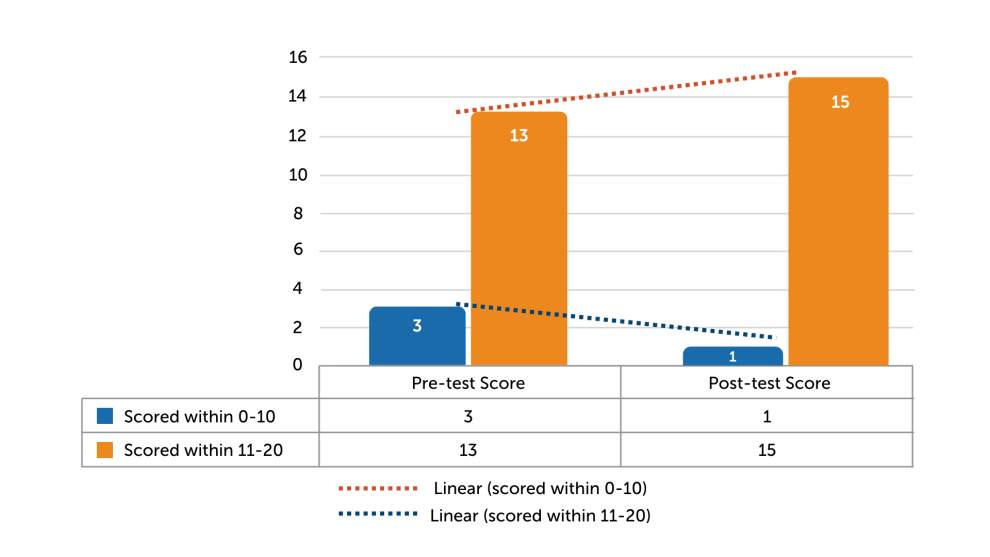
- Significant improvement in knowledge: post-test results showed marked increases compared to pre-test scores
- Among students, those scoring 11–20 increased from 57 to 73
- Among teachers, 15 of 16 scored in the top range post-session
- Participants expressed increased confidence in understanding HPV and NCDs
- The initiative showed the power of schools in shaping health knowledge and influencing community norms
Figures
Figure 1: No. of participants who participated in the awareness session
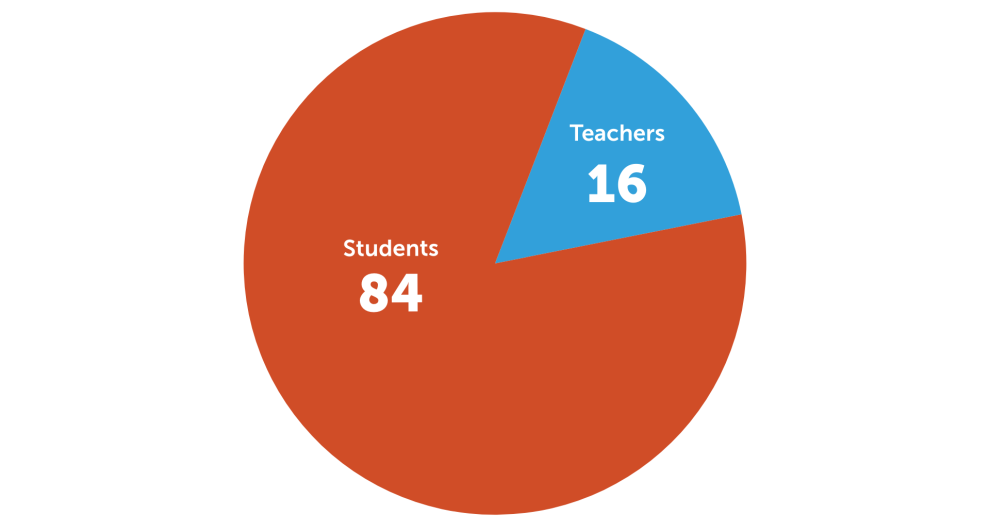
Figure 2: Pre and post-test scores of students before and after the awareness session
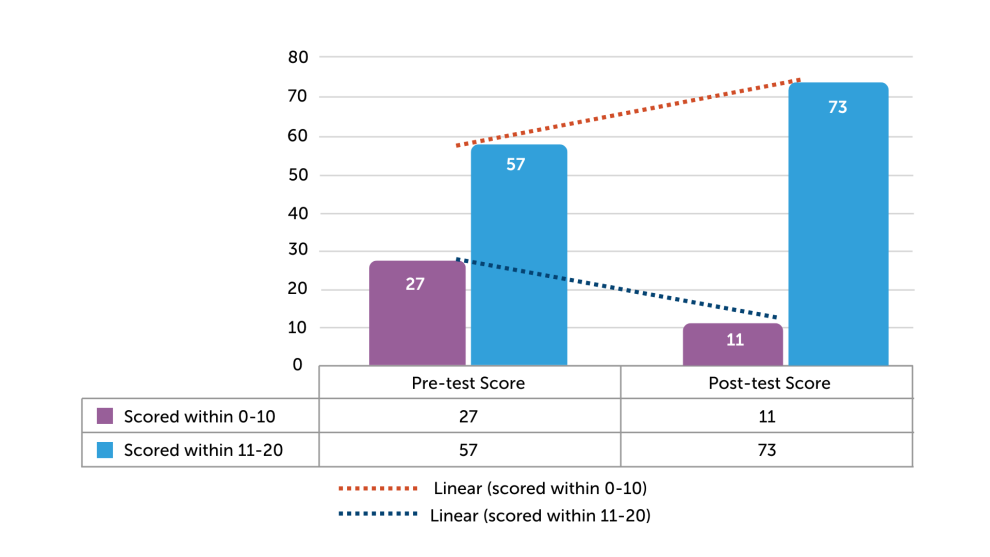
Figure 3: Pre and post-test scores of teachers before and after the awareness session
Beyond the numbers, participants provided feedback that the sessions were fun, informative, and easy to understand. Teachers expressed interest in continuing the sessions annually and incorporating NCD and HPV topics into extracurricular health activities. The positive reception from both groups reinforced the need for early, school-based interventions to normalize preventive health behaviors.
Lessons Learned
- Simplify communication for greater reach and retention
- Tailor messages to the educational level and interests of audiences
- Use multimedia tools to make technical topics more engaging
- Continuously adapt based on feedback and testing
- Schools are powerful platforms for public health outreach
Recommendations
- Use interactive methods such as competitions and roleplays for future awareness sessions
- Develop localized content considering literacy and cultural beliefs
- Expand partnerships with schools and NGOs to scale the intervention
- Institutionalize NCD and HPV content into school health curricula
- Establish routine feedback and testing mechanisms to improve delivery
Conclusion
The Empowering Futures initiative effectively boosted awareness of NCDs and HPV vaccination in school settings. Building on to this momentum and its success, the team plans to scale the program to schools of other regions as well in Nepal, refine content based on participant feedback, and integrate health education more systematically into school programs. With the right support, this approach can foster a generation better equipped to prevent NCDs and HPV-related illnesses.
Recommended for you


We make vaccines more accessible, enable innovation and expand immunization across the globe.