
Strengthening Data Triangulation for Reaching Zero-Dose Children in Sudan
Case Study from Sudan
Télécharger l’histoire PDF (FRANCAIS)
Quick Links:
Background | Objectives | Implementation Strategy | Challenges and Adaptations | Outcomes and Impact | Lessons Learned | Recommendations | Conclusion and Future Directions | Video | Bio

Background
Sudan’s routine immunization programs have faced significant disruptions due to the COVID-19 pandemic, political instability, and large-scale population displacements caused by ongoing conflicts. These challenges have led to an increase in zero-dose children — those who have never received a single dose of a routine vaccine.
In response, Amna Khairy Abdulkareem Khairy, Technical Officer with EMPHNET, implemented the “Strengthening Data Triangulation for Reaching Zero-Dose Children” project from January 2 to May 31, 2024 of Sabin and the World Health Organization’s (WHO) COVID-19 Recovery for Routine Immunization Programs Fellowship. The project aimed to enhance local capacity for data utilization and investigate behavioral and social drivers influencing vaccination uptake using the Behavioral and Social Drivers (BeSD) framework developed by the WHO.
The BeSD framework, provides a structured approach to understanding vaccination behaviors by exploring four domains:
- Thinking and Feeling: Cognitive and emotional responses to vaccines and vaccine-preventable diseases
- Social Processes: Social norms, peer influences, and trusted recommendations
- Motivation: Willingness and intentions to vaccinate
- Practical Issues: Accessibility, convenience, and service experiences related to vaccination
Objectives
The project aimed to address the issue of zero-dose children through two primary objectives:
- Capacity Building: Strengthening the skills of immunization teams at the locality level to utilize data for identifying, reaching, and vaccinating zero-dose and under-immunized children
- Behavioral Insight Generation: Utilizing the BeSD framework to understand community-level behavioral and social drivers affecting immunization uptake, particularly among marginalized and displaced populations
The project was guided by the IRMMA (Identify, Reach, Monitor/Measure, and Advocate) framework, which was integrated with BeSD tools to create a comprehensive strategic approach.
Implementation Strategy
Training and Capacity Building
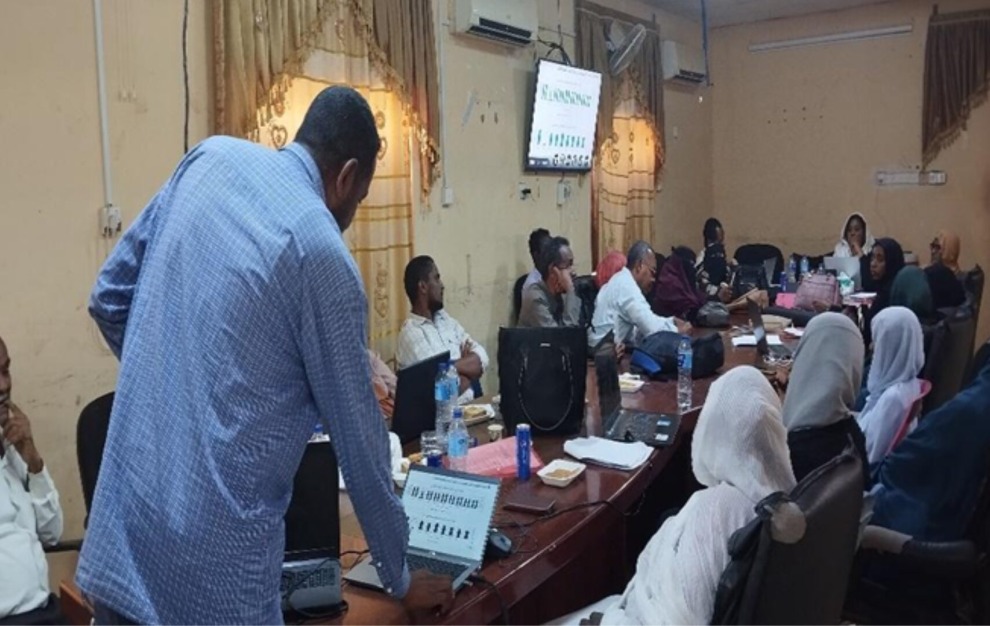
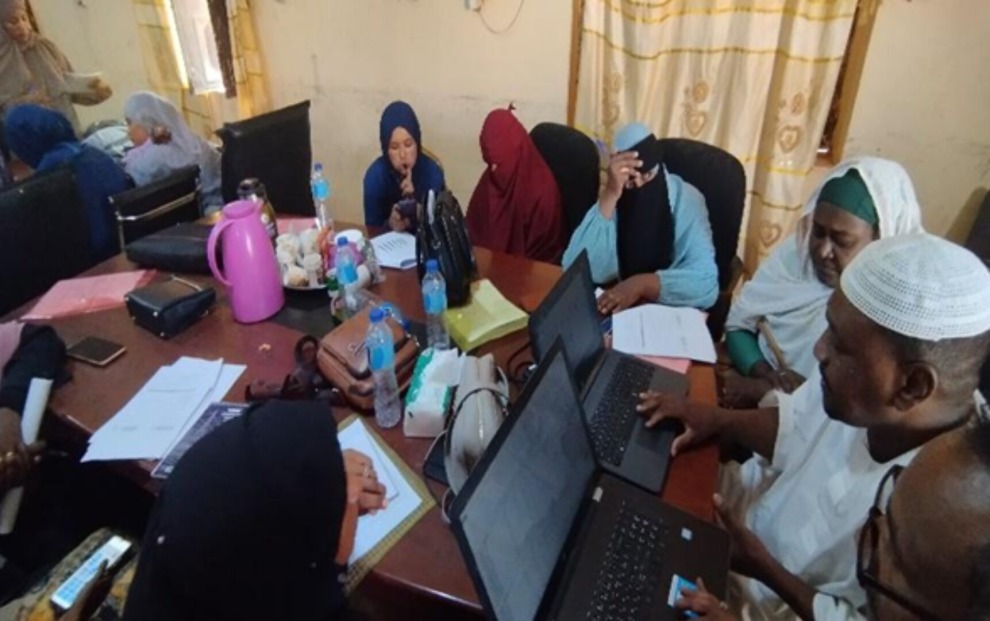
A training workshop was conducted May 4-5, 2024 in River Nile State, targeting 25 immunization officers (86% of total officers in River Nile State) from six localities. The workshop’s key components included:
- Data Analysis and Triangulation:
Participants were trained on triangulating data from multiple sources such as administrative immunization records, campaign data, and measles surveillance reports.
They practiced using Excel for data analysis, focusing on mapping immunity gaps at the lowest administrative level (catchment areas).
The training adopted the “Fundamental Introduction to Triangulation Principles and the 4-Step Process for District and Facility Levels 2020” developed by the WHO, UNICEF, and U.S. CDC.
- Application of BeSD Framework and Tools:
The BeSD framework was integrated to understand the behavioral and social drivers affecting vaccination decisions.
Participants were trained to use the BeSD Tools — survey instruments and focus group discussion guides — to explore community perceptions, social norms, motivation, and practical barriers related to immunization.
These tools were adapted to the local context, considering language and cultural nuances, including the use of Arabic translations for data collection.
- Root Cause Analysis Using Fishbone Diagram:
Immunization officers learned to apply the Fishbone Diagram for systematic root cause analysis of immunity gaps, examining factors from supply chain issues to community perceptions.
Community Engagement and Behavioral Insights
Focus Group Discussions (FGDs) were conducted with seven community health promoters, including local influencers such as mosque leaders and long-term volunteer health workers.
The FGDs aimed to explore the four domains of the BeSD framework:
- Thinking and Feeling:
Participants revealed high levels of vaccine hesitancy due to misinformation about vaccine safety, with common rumors linking vaccines to severe side effects, including paralysis. Religious and cultural beliefs also played a role in influencing community attitudes toward vaccination. - Social Processes:
Community norms and trust dynamics were significant, particularly among nomadic and displaced communities. It was observed that social influencers from within the community, especially those who shared the same cultural or linguistic background, were more effective in promoting vaccination. - Motivation:
Willingness to vaccinate was linked to perceived social norms and peer behaviors. Community members showed a preference for vaccination when coupled with other essential health services, such as nutrition programs. - Practical Issues:
Key challenges identified included logistical barriers such as transportation costs, long waiting times, and the unavailability of vaccinators from within the community. Practical solutions proposed included integrating immunization with other community health services and involving local volunteers for better outreach.
Challenges
- Security Constraints: Political instability required relocating activities from Al-Gadarif State to the more secure River Nile State.
- Time Constraints and Workforce Limitations: Overlapping health campaigns necessitated condensing the training from three to two days.
- Data Accuracy: Population displacements caused inaccuracies in denominators for immunization coverage calculations. To address this, the project recommended incorporating other data sources like nutrition surveys.
Outcomes and Impact
- Enhanced Capacity: 25 immunization officers were trained, representing 86%
- of the locality officers in River Nile State. Post-training assessments indicated a 200% increase in participants’ confidence in using data triangulation and BeSD tools for decision-making and behavioral analysis.
- Identification of Zero-Dose Children: Data triangulation identified 114 zero-dose children in Barber locality and 628 in Shandi locality, representing 5% and 7% of the target population, respectively. Eleven zero-dose communities were mapped, enabling targeted interventions.
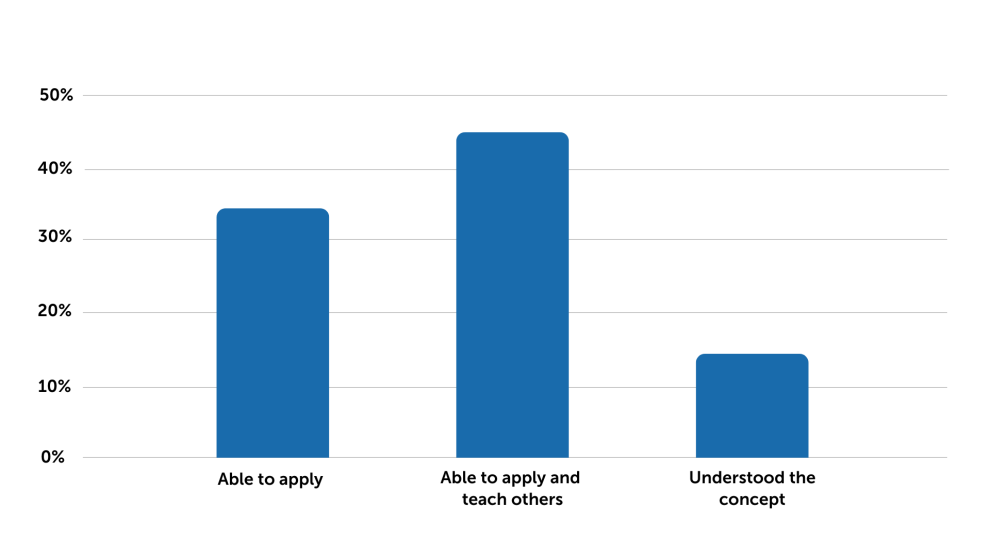
- Capacity Outcomes: Excel and data triangulation skills increased. 63% felt confident to apply the methodology, 25% could teach others, and 47% gained confidence in root cause analysis
- Behavioral Insights for Targeted Communication: The use of BeSD tools provided actionable insights on community-specific behavioral drivers, enabling the design of tailored communication and outreach strategies
- Integrated services increased uptake
- Community volunteers enhanced trust and access
- Alternative data sources (e.g., nutrition surveys) were key in addressing denominator issues in displacement settings.
Table 1. Zero Dose Children (Zero dose of Measles Vaccine) Identified per Catchment Area for Three Fixed and Three Outreach Sites at Barber Locality, River Nile State 2023
|
Catchment area |
Fixed |
Outreach |
Total |
||||||
|
Target |
Un-immunized |
% |
Target |
Un-immunized |
% |
Target |
Un-immunized |
% |
|
|
Al-Gomrat |
400 |
53 |
13 |
928 |
53 |
6 |
1328 |
59 |
4 |
|
Gadallah |
96 |
-16 |
-17 |
357 |
-16 |
-4 |
453 |
-20 |
-5 |
|
Al-Mikalab |
260 |
16 |
6 |
150 |
16 |
11 |
410 |
27 |
7 |
|
Mabrikia |
219 |
20 |
9 |
237 |
20 |
8 |
456 |
28 |
6 |
Table 2. Zero dose Children (Zero dose of Measles Vaccine) Identified per Catchment Area for Three Fixed and Three Outreach Sites at Shandi Locality, River Nile State 2023
|
Catchment area |
Fixed |
Outreach |
Total |
||||||
|
Target |
Un-immunized |
% |
Target |
Un-immunized |
% |
Target |
Un-immunized |
% |
|
|
Al-Reasa |
3006 |
-180 |
-6 |
2327 |
341 |
15 |
5333 |
341 |
6 |
|
Kabosheea |
443 |
8 |
2 |
101 |
-105 |
-104 |
544 |
8 |
1 |
|
Albasabeer |
337 |
-65 |
-19 |
76 |
22 |
29 |
413 |
22 |
5 |
|
Dam-Algora |
487 |
72 |
15 |
152 |
6 |
4 |
639 |
78 |
12 |
|
Hajar Alasal |
680 |
8 |
1 |
158 |
-46 |
-29 |
838 |
8 |
1 |
|
Al-Kandaria |
228 |
12 |
5 |
203 |
22 |
11 |
431 |
34 |
8 |
|
Al-Shakhab |
282 |
-158 |
-56 |
148 |
-68 |
-46 |
430 |
-226 |
-53 |
|
Al-Misaktab |
449 |
137 |
31 |
0 |
0 |
0 |
449 |
137 |
31 |
|
Al-Hosh |
253 |
31 |
12 |
0 |
0 |
0 |
253 |
31 |
12 |
Figure 1. Participants’ self-rated skills in use of excel for data analysis (creating correct graphs for data triangulation)
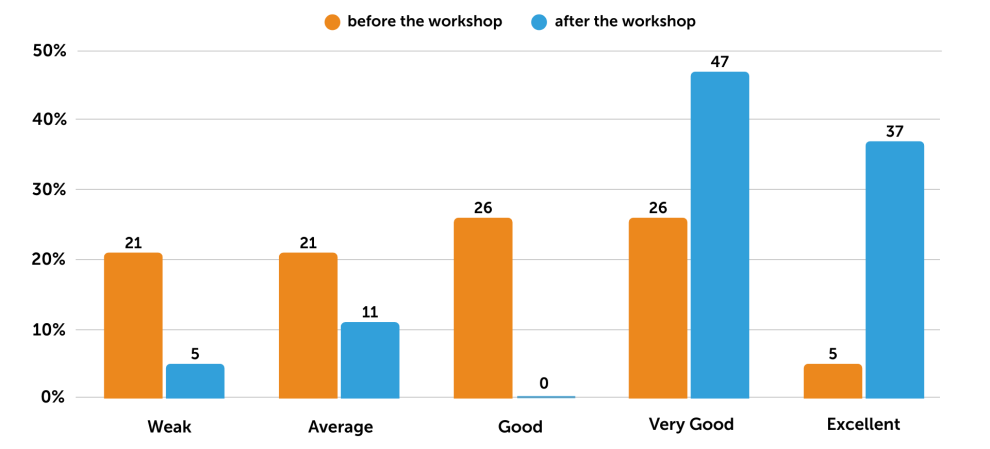
Figure 2. To what extent did the workshop help you to identify immunity gaps in your area
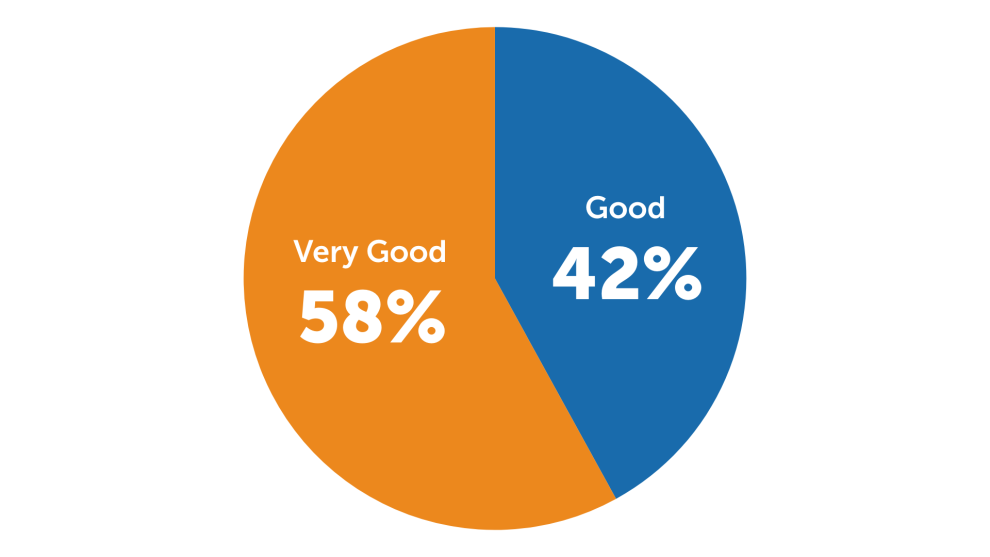
Figure 3. To what extent can you apply data triangulation to identify immunity gaps
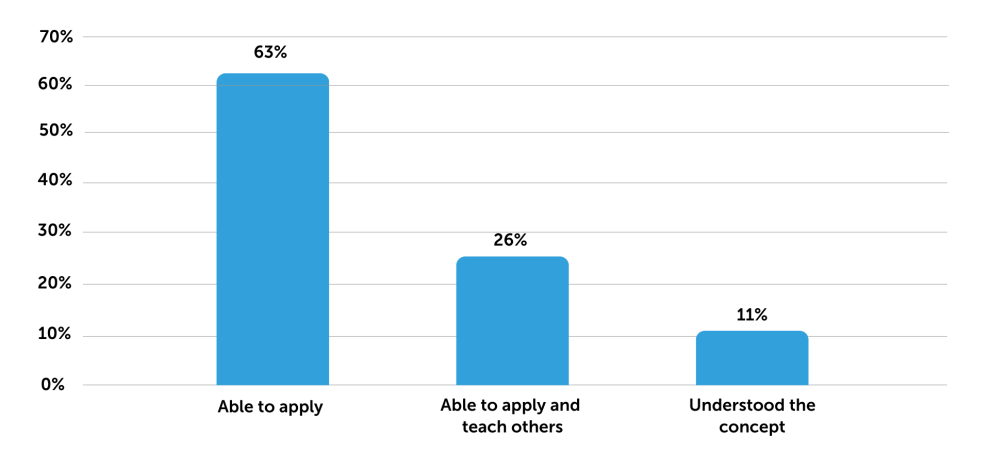
Figure 4. Are you going to be able to apply what you have learnt in your daily work
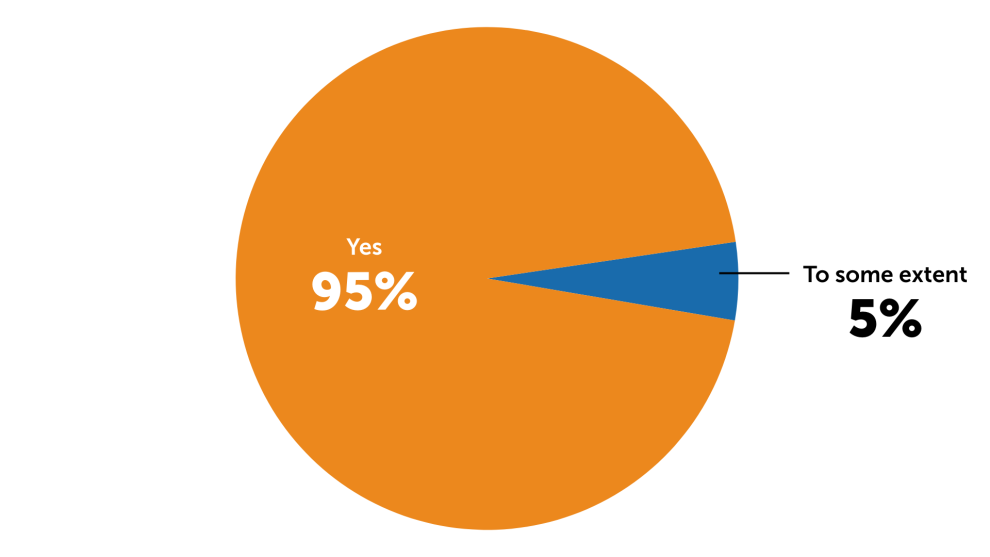
Figure 5. To what extent can you understand fish bone diagrams to identify immunity gaps
Lessons Learned
- Behavioral Insights are Critical: Understanding community perceptions and motivations through the BeSD framework was crucial in designing effective communication strategies
- Localized and Contextual Approaches: Adapting tools and training content to local cultural contexts enhanced engagement and effectiveness
- Community-Driven Approaches: Involving community influencers and using culturally sensitive communication increased vaccine acceptance
- Integrated Service work and by bundling immunization with other services like nutrition increases uptake
- Data diversification is necessary. Relying solely on administrative data is insufficient in humanitarian settings.
Recommendations
Building on the success of this initiative, future plans include:
- Scaling and Replication: Expanding the training program to other states with similar immunization challenges
- Development of Geo-Enabled Data Tools: Creating automated tools for real-time mapping of zero-dose children
- Sustained Community Engagement: Strengthening partnerships with local leaders and organizations for ongoing demand generation
Conclusion
This project demonstrated the effectiveness of integrating the BeSD framework with data triangulation to understand and address immunization gaps. By combining behavioral insights with evidence-based decision-making, the initiative not only identified zero-dose children but also addressed the underlying behavioral drivers impacting vaccination uptake. This approach offers a scalable model for enhancing immunization programs in other conflict-affected or hard-to-reach settings, where traditional service delivery and demand generation strategies may fall short due to complex contextual barriers.
Bio
Amna Khairy Abdulkareem Khairy
Amna Khairy Abdulkareem Khairy is a field epidemiologist and community medicine specialist with more than ten years of public health experience spanning workforce capacity development, immunization, surveillance, and applied data use in fragile and humanitarian settings. In her career, she has provided national leadership for vaccine-preventable disease surveillance within Sudan’s Expanded Programme on Immunization and supported Field Epidemiology Training Programs (FETPs) across the Eastern Mediterranean Region through her distinguished expertise in applied epidemiology.
Amna was selected for the Sabin–WHO COVID-19 Recovery for Routine Immunization Fellowship, where she leveraged her expertise in field epidemiology and immunization to strengthen data-driven decision-making; her proposal was subsequently selected for implementation under the program.
Through the fellowship, Amna developed and applied practical tools to improve data triangulation, identify zero-dose children, and support evidence-informed immunization decision-making at locality levels in Sudan. Her work focused on building the capacity of immunization teams to map zero-dose communities and identify behavioral and system-related barriers to vaccination. Amna is committed to strengthening routine immunization systems through applied field epidemiology and locally relevant decision-support tools, with a strong emphasis on sustainable workforce capacity development.
Recommended for you


We make vaccines more accessible, enable innovation and expand immunization across the globe.