
Expanding Human Papillomavirus (HPV) Vaccination Coverage through School and Community Engagement in Nylon Health District, Cameroon
Case Study from Cameroon
Télécharger l’histoire PDF (FRANCAIS)
Quick Links:
Background | Objectives | Implementation Strategy | Challenges and Adaptations | Outcomes and Impact | Lessons Learned | Recommendations | Conclusion and Future Directions | Video | Bio
Background
In Cameroon’s Nylon Health District, low HPV vaccination rates among adolescents posed a significant risk to public health, especially given the high burden of cervical and other HPV-related cancers. Routine immunization services were limited in reach and missed opportunities for vaccination (MVOs) were common. Moreover, awareness of the vaccine’s benefits was low, and mistrust among some parents and health workers posed additional barriers. Recognizing these challenges, the Nylon Health District launched a catalytic project — supported by Sabin and the World Health Organization (WHO) and spanning from January 10, 2023 to March 31, 2024 — to improve HPV vaccination coverage by engaging schools, communities, and health facilities through a life-course vaccination lens.

The district is densely populated and diverse, with a mix of urban poor communities and mobile populations. School attendance rates vary, and many adolescents — particularly those outside the formal education system — have limited access to preventive health services. This context necessitated an adaptive and inclusive approach to ensure equitable access to the HPV vaccine. Jeanne Liliane Mbengue, Chief of Nylon Health District with MINSANTE, aimed to engage communities in favor of HPV vaccination to increase coverage rates through the second cohort of the COVID-19 Recovery for Routine Immunization Programs Fellowship.
Objectives
- Vaccinate at least 1,000 adolescents (ages 9–13) against HPV
- Brief healthcare staff and stakeholders on HPV vaccination and MVOs
- Conduct educational talks in 100% of priority schools
- Carry out school, health facility, and community-based sensitization sessions
- Supervise all interventions and monitor results
Implementation and Strategy
The project employed a multi-site, community-driven strategy across 16 schools and eight health areas (HAs). Key components included:
- Stakeholder briefings and advocacy meetings with administrative and education leaders
- Integration of HPV sensitization into parent-teacher meetings
- On-site school vaccination sessions with verbal parental consent
- Community outreach using door-to-door strategies and mobile vaccination teams
- Development of new tools to track and respond to MVOs
- Deployment of roll-up banners and Expanded Program on Immunization (EPI) image boxes for school sensitization
Efforts were closely coordinated with local education authorities and community health workers, who played a central role in mobilization. The team also adopted a flexible planning process, adjusting vaccination dates and locations based on school schedules, examination periods, and community events. This responsive implementation helped minimize disruptions and maximize attendance.
Challenges and Adaptions
- Delayed Funding Approval:
The late disbursement of funds required a phased approach to implementation. Initial activities focused on interventions that did not require financial resources while awaiting budget approval. - Project and Budget Refinement:
With the support of our mentor, the project proposal and budget were revised to meet funding standards and ensure alignment with donor requirements. - Extended Implementation Timeline:
Originally scheduled to conclude in late February, the project was extended to March 31, 2024, to allow for quality execution despite the delayed start. - Limited Financial Resources and Volunteer Mobilization:
Due to constrained funds, the team actively advocated for stakeholders and field actors to volunteer their time and support project activities to achieve results. - Challenges in Data Collection Tools:
Existing data collection tools were insufficient for capturing certain indicators, such as MVOs. Tools like the daily summary sheet, MVO transfer/receipt sheets, and educational talk reports lacked specific fields, required a need to conceive additional tools during the project. - Short Project Duration and Limited Human Resources:
A compressed timeline and small team, coupled with minimal financial incentives, posed challenges. To overcome this, motivational strategies were employed to encourage continued participation and dedication. - Inadequate Sensitization Materials:
The absence of appropriate leaflets led to the use of the EPI image box for community sensitization efforts. - Data Validation and Cross-Referencing:
The team addressed inconsistencies in project data by cross-checking vaccination registers, DHIS2 entries, and newly designed tools to ensure accuracy and alignment of reported figures.
Outcomes and Impact
The project far exceeded its initial goal, vaccinating 2,681 adolescents — 2.6 times the target. High-performing HAs like Oyack 1 and Oyack 3 accounted for over 60% of vaccinated adolescents.
- Girls represented the majority of those vaccinated, reflecting historical program focus.
- 900 9-year-olds were reached through catch-up efforts, nearly doubling routine figures.
- Only 98 vaccinations would have occurred using the fixed strategy alone — additional outreach enabled a 27-fold increase in coverage.
- 3,247 individuals were identified across schools, communities, and health facilities.
- All planned sensitization sessions were completed, and over 90% of planned supervisions were carried out.
Feedback from communities indicated increased trust in health workers and acceptance of the HPV vaccine, largely due to the presence of female vaccinators and culturally appropriate communication. The project also strengthened intersectoral collaboration, with school officials, health personnel, and community leaders expressing interest in maintaining joint health campaigns beyond the HPV rollout.
Table 1: Level of Achievement of the Vaccination Objective in the Nylon Health District, December 2023 – March 2024
| Health Areas | Number of Vaccines | Objective per Health Area | Gaps | Achievement rate (%) | ||
| M | F | Total Non-Vaccinated | Total Zero-Dose | Total Vaccinated Compared to the Target | Contribution of each Health Area to achieving the objective | |
| Barcelona | 62 | 100 | 162 | 125 | 37 | 129.6% |
| Bonadiwoto | 64 | 81 | 145 | 125 | 20 | 116% |
| Diboum 2 | 39 | 38 | 77 | 125 | -48 | 61.6% |
| Ndogpassi 3C | 96 | 114 | 210 | 125 | 85 | 168% |
| Ndogpassi 3ZR | 17 | 30 | 47 | 125 | -78 | 37.6% |
| Oyack 1 | 225 | 529 | 754 | 125 | 629 | 603.2% |
| Oyack 3 | 619 | 554 | 1173 | 125 | 1048 | 938.4% |
| Soboum | 42 | 71 | 113 | 125 | -12 | 90.4% |
| 1164 | 1517 | 2681 | 1000 | 1681 | 268.1% |
The initial objective was to vaccinate 1,000 adolescents across the entire Health District. Thanks to funding from Sabin and the WHO, strong motivation among all stakeholders, support from related sectors, engagement from administrative and technical authorities, integrated interventions, and effective mentorship, we achieved 2.6 times the expected result.
Figure 1: Proportion of adolescents vaccinated by HA, Nylon Health District, December 2023 – March 2024 (%)
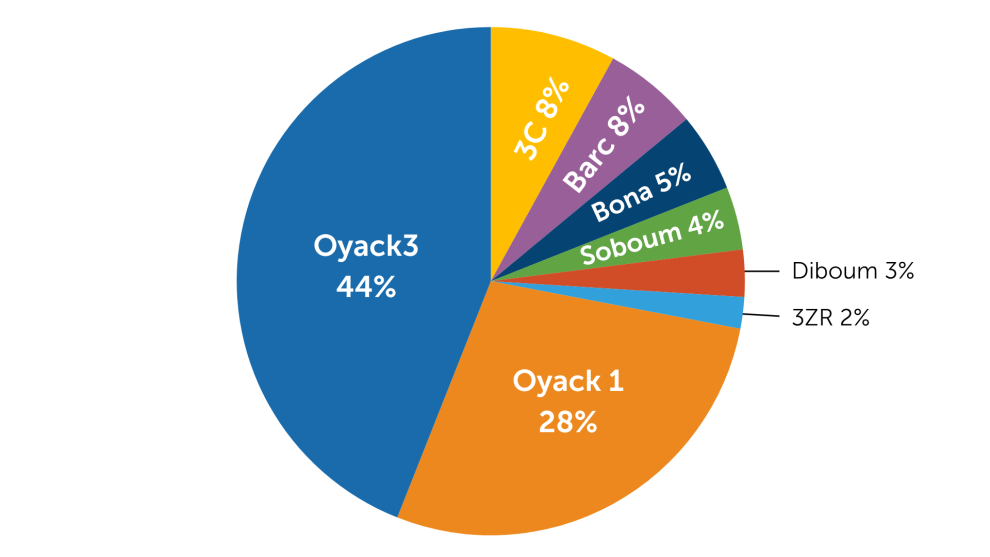
Figure 2: Distribution of vaccinations by gender, Nylon Health District, Decemeber 2023 – March 2024
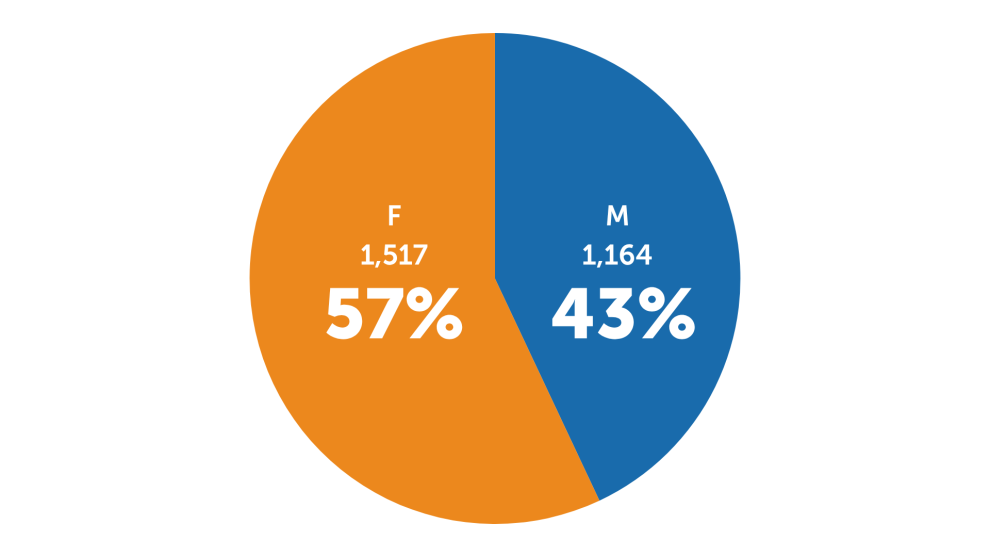
Overall, more girls were vaccinated than boys. This is likely due to the vaccine’s initial introduction into the routine EPI in 2019, when it was administered exclusively to girls to prevent cervical cancer. Boys were only included in 2022 to protect against anal and throat cancers. Given this recent inclusion, HPV vaccination coverage among boys in the Nylon Health District has not yet reached parity with that of girls.
Table 2: Number of vaccinations by age group and HA, December 2023 – March 2024
| Health Areas | 9 Years | 10-13 Years | Total |
| Barcelona | 59 | 103 | 162 |
| Bonadiwoto | 0 | 145 | 145 |
| Diboum | 0 | 77 | 77 |
| Ndogpassi 3C | 22 | 188 | 210 |
| Ndogpassi 3ZR | 5 | 42 | 47 |
| Oyack 1 | 542 | 212 | 754 |
| Oyack 3 | 253 | 920 | 1173 |
| Soboum | 19 | 94 | 113 |
| Total | 900 | 1781 | 2681 |
The project allowed us to catch up with more children in most HAs. Only Oyack 1 managed to vaccinate more 9-year-olds. This is because, through this project, we conducted a large HPV catch-up vaccination of adolescents whose target is larger.
Figure 3: Proportion of vaccinated by age group, Nylon Health District, December 2023 – March 2024
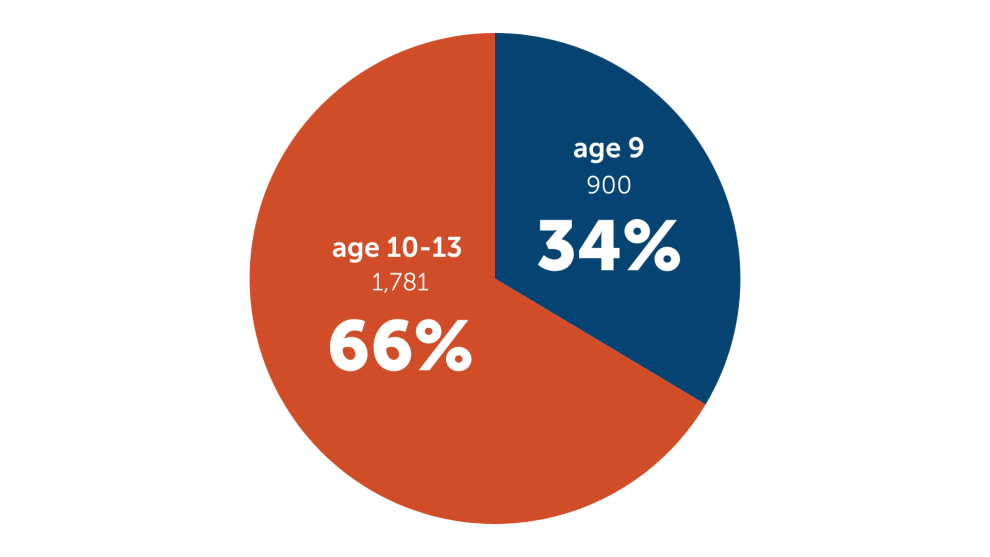
Nearly double the number of 9-year-old adolescents were caught up through the project. This could be explained by the larger target population.
Figure 4: Distribution of vaccinated by strategy, Nylon Health District, December 2023 – March 2024
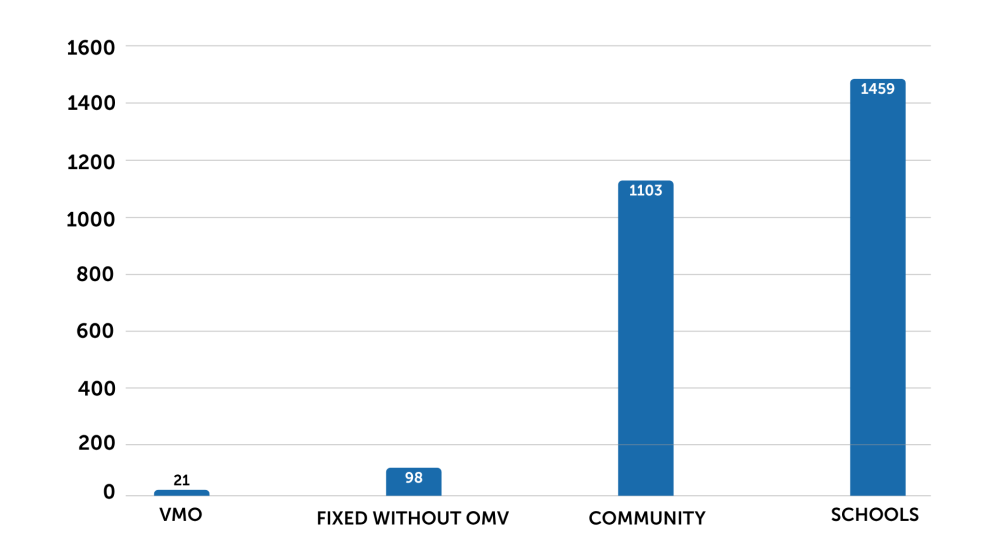
More adolescents were vaccinated in schools and communities than at fixed health facility posts. This outcome is attributed to leveraging school environments where large numbers of eligible children were present and using parent-teacher meetings to directly engage and inform parents. In the community, advanced outreach and door-to-door activities were conducted to reach parents and vaccinate adolescents. Without these additional strategies, only 98 adolescents — just 9% of the project target — would have been reached. An innovative approach involving the active search for MVOs was also piloted; however, its contribution was minimal (2.1% of the target) due to low stakeholder involvement and the additional workload it required.
Figure 5: Comparison of vaccinated adolescents, Nylon Health District, December 2023 – March 2024
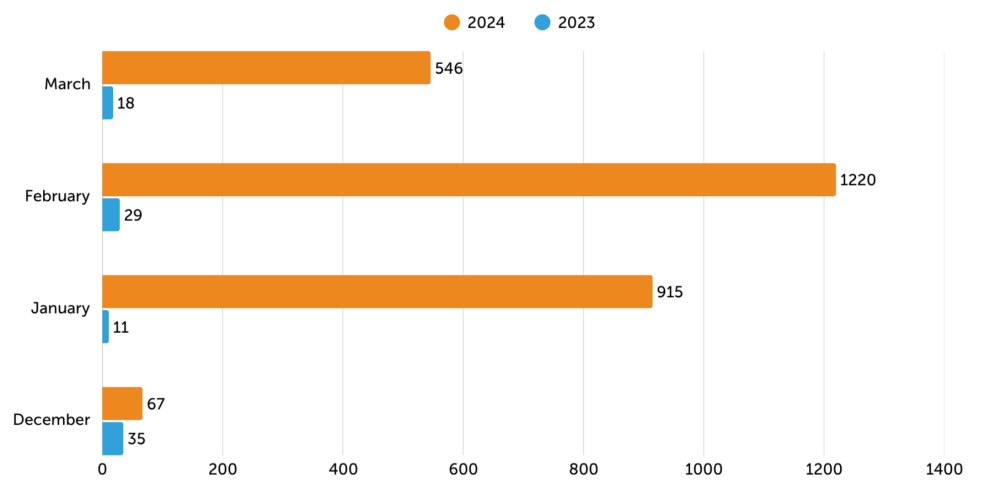
Table 3: Comparison of Vaccinated Adolescents, Nylon Health District, December 2023 – March 2024
| Months | 2022 | 2023 | 2024 |
| December | 35 *Adolescents vaccinated a year before, during the same period | 67 *Adolescents vaccinated during the project | |
| January | 11 *Adolescents vaccinated a year before, during the same period | 881 *Adolescents vaccinated during the project | |
| February | 29 *Adolescents vaccinated a year before, during the same period | 1185 *Adolescents vaccinated during the project | |
| March | 18 *Adolescents vaccinated a year before, during the same period | 548 *Adolescents vaccinated during the project |
Only 98 adolescents were vaccinated during the period according to the usual fixed approach, compared to 93 during the same period last year. Through the project, and with the help of additional strategies, they were able to vaccinate 27 times more children during the same period.
Table 3: Proportion of parent sensitization sessions in schools of the Nylon Health District, December 2023 – March 2024
| Health Areas | Awareness Sessions in Schools | ||
| School Program Awareness Sessions | Awareness Sessions Conducted | % | |
| Barcelona | 2 | 2 | 100% |
| Bonadiwoto | 2 | 2 | 100% |
| Diboum | 2 | 2 | 100% |
| Ndogpassi 3C | 2 | 2 | 100% |
| Ndogpassi 3ZR | 2 | 2 | 100% |
| Oyack 1 | 2 | 2 | 100% |
| Oyack 3 | 2 | 2 | 100% |
| Soboum | 2 | 2 | 100% |
| Total | 16 | 16 | 100% |
Table 4: Presentation of the number of sensitized people in the Health Areas of the Nylon Health District during the project:
| Health Areas | Schools | Community | Health Facilities | Total |
| Barcelona | 150 | 0 | 22 | 172 |
| Bonadiwoto | 140 | 0 | 7 | 147 |
| Diboum | 118 | 57 | 2 | 177 |
| Ndogpassi 3C | 125 | 180 | 5 | 310 |
| Ndogpassi 3ZR | 128 | 16 | 3 | 147 |
| Oyack 1 | 600 | 186 | 38 | 824 |
| Oyack 3 | 644 | 664 | 41 | 1349 |
| Soboum | 120 | 0 | 1 | 121 |
| Total | 2025 | 1103 | 119 | 3247 |
Project targeted adolescents whose verbal consent from parents was previously obtained. Based on these results, there was an underreporting of parent sensitization data.
Summary of Qualitative Results
The project demonstrated strong implementation of a life-course vaccination approach, with high motivation among stakeholders and effective execution across all health areas (HAs). Key strengths included achieving project objectives, creating additional data collection tools, and integrating interventions for greater impact. An innovative school-based strategy successfully reached adolescents, while collaboration with administrative authorities, traditional leaders, and the Education Authority (IAEB) strengthened multisectoral engagement.
Lessons Learned
- Advocacy with community leaders and authorities enhances buy-in and trust
- Parent engagement during school meetings is a powerful opportunity for sensitization
- Integration of vaccination into existing community and education structures increases reach
- Mentorship and flexible budgeting helped maintain project quality despite constraints
- A life-course vaccination approach must be reinforced among healthcare staff
Recommendations
From our experience, we recommend using more visual aids for sensitization (leaflets, banners). Include adolescents over 13 years old who are not yet sexually active. Strengthen sensitization through media.
Multiply strategies to vaccinate the maximum number of adolescents against HPV. Finally, screen ineligible individuals for vaccination.
Teachers:
- Introduce HPV education into school curricula
- Sustain the school-based strategy through parent-teacher meetings
- Organize mass HPV vaccination campaigns
- Conduct regular school-based vaccination sessions
- Increase teacher involvement in planning and delivery
Parents:
- Conduct mass sensitization campaigns
- Provide accurate, accessible information to dispel myths and misinformation
- Engage large groups of parents to create a ripple effect in the wider community
Conclusion and Future Directions
This short-term catalytic project demonstrated the effectiveness of school- and community-based strategies in boosting HPV vaccination. With 268% of the vaccination target achieved, the Nylon Health District plans to scale up this model to other underperforming districts. Strengthening staff capacity, expanding MVO search efforts, and extending project duration are critical next steps. With continued investment and cross-sectoral collaboration, Cameroon can accelerate progress toward broader HPV vaccine coverage and cervical cancer prevention.
Bio

Recommended for you


Reaching Zero-Dose Children in Bauchi State, Nigeria


We make vaccines more accessible, enable innovation and expand immunization across the globe.