
Looking Back, Looking Forward: Sustaining Momentum for Cervical Cancer Elimination
By Marissa Malchione, Senior Manager, Research & Analysis, HPV Initiative

Key Messages:
In 2025, the Global HPV Consortium:
- Celebrated meaningful progress in global HPV vaccination rollout
- Strengthened collaborations to amplify the three pillars of cervical cancer elimination: vaccination, screening, and treatment
- Expanded partnerships across regions and within countries, offering our expertise to support adaptations for the evolving landscape
For those who work to eliminate cervical cancer and prevent Human Papilloma Virus (HPV), 2025 brought much to celebrate and new challenges to navigate.
Launched in 2023 as a public-private movement to prevent HPV infection, which is responsible for most cases of cervical cancer, and to eliminate cervical cancer as a public health concern, the Global HPV Consortium has united diverse partners to build momentum, catalyze solutions, and strengthen collective action toward global elimination.
Real Progress

The momentum is clear: according to the World Health Organization and UNICEF’s annual WEUNIC 2025 report, HPV vaccine coverage in lower-income countries has risen from 3% in 2019 to 7% in 2022, doubling to 16% in 2023, before increasing again to 25% in 2024. In 2025, progress continued as countries with large populations, such as Pakistan and China, launched HPV vaccination campaigns at the national level. Gavi, the Vaccine Alliance, reported more girls in lower-income countries have been protected with the HPV vaccine in 2024 than the previous decade combined.
New Challenges

The year also brought challenges, as global funding for public health efforts changed and traditional support shifted.
In response, the more than 60 partners of the Global HPV Consortium collectively adapted, building on existing collaborations to develop new ways of working and identify opportunities to advance the shared mission. Key areas of progress in 2025 included:
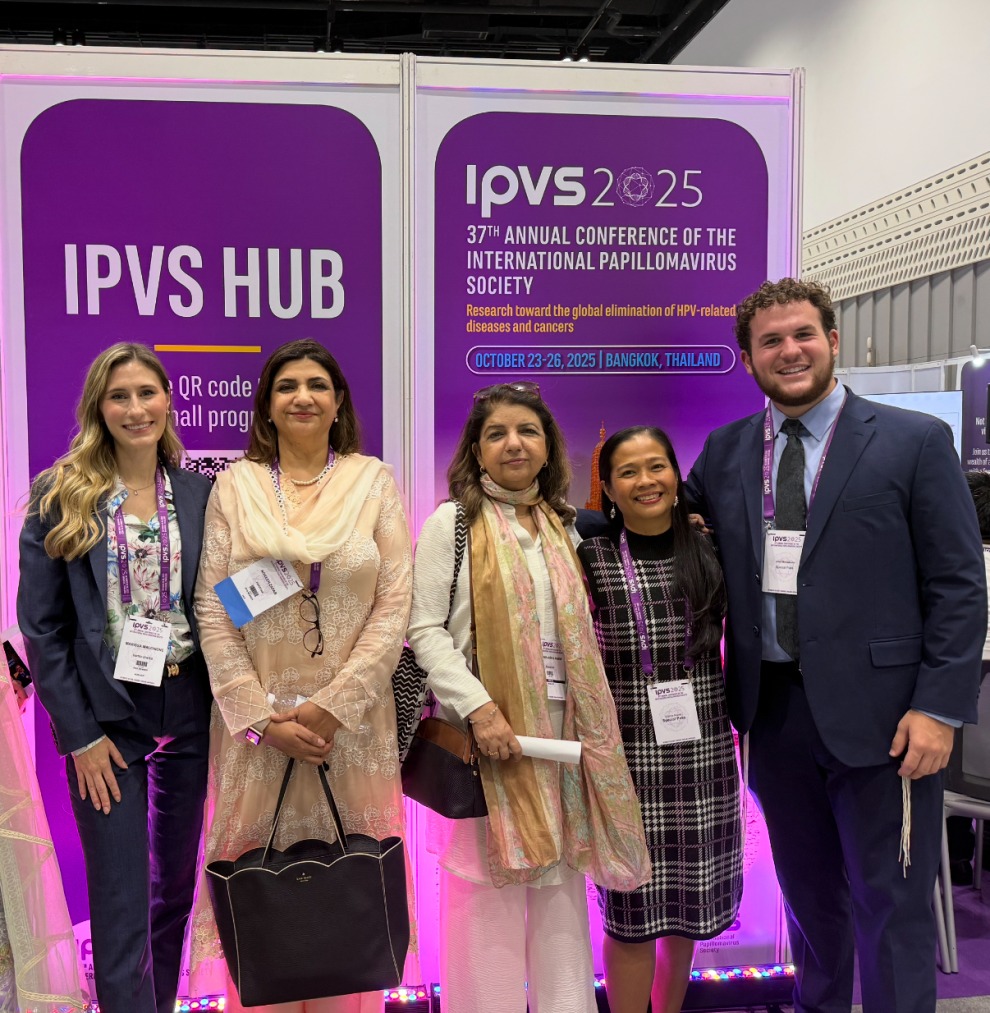
- Strengthened advocacy and global visibility, with Consortium presence and presentations at a number of major cervical cancer and HPV convenings, including hosting the panel, “Empowering Voices: Uniting Media, Survivors, and Young Champions to Advance HPV Awareness, Prevention and Intervention through Storytelling,” at the International Papillomavirus Society (IPVS) Conference in Bangkok.
- Expanded regional engagement, launching a regional engagement series to advance cervical cancer elimination in Latin America & the Caribbean. This effort deepened relationships and strengthened collaboration with PAHO, Ministries of Health, and country-based researchers, healthcare providers, and civil society organizations.
- Enhanced peer-to-peer learning opportunities, in collaboration with Sabin’s Boost Community of more than 5,000 immunization professionals through a series of virtual learning webinars centered on routinizing HPV vaccination and leveraging social media research to drive impact and awareness, while featuring the work and research of GHC partners.
- Developed new approaches to engaging young leaders as the Consortium fostered connection between two partner organizations, Global Initiative Against HPV and Cervical Cancer (GIAHC) and Women Empowering Nations, who together formed a novel youth community health advocacy training program called REACH (Raising Empowered Advocates for Community Health).
- Increased focus on frontline health workers, starting with a collaboration through the 2025 Nursing Now Challenge Global Solutions Initiative. Three student nurse awardees had unique motivation to improve access, acceptance, and uptake of HPV and cervical cancer preventive services.
 Looking to 2026
Looking ahead, the Consortium will continue to build on these connections in 2026, deepening partner engagement through working groups designed to co-develop and deliver actionable outputs and resources. A new Strategic Advisory Group will further guide Consortium initiatives to focus its efforts where they can have the greatest impact, strengthen regional and local relationships, and build new bridges for collaboration as the Consortium collectively navigates the evolving global health environment.
Since its inception, the Global HPV Consortium has focused on building the networks, relationships and knowledge-base that decision-makers need to advance comprehensive HPV prevention and cervical cancer elimination efforts. Grounded in adaptability, transdisciplinary expertise, and strong partnerships, the Consortium is well-positioned to sustain and accelerate the momentum that is already improving lives and moving the world closer a future free from this preventable disease.
Recommended for You


We make vaccines more accessible, enable innovation and expand immunization across the globe.